
Building Identity, One Line of Code at a Time: The Story Behind DuckShop
As a product designer surrounded by developers, I saw how deeply programming shapes their identity. DuckShop was born from that culture; a place where humor, creativity, and belonging meet through design.
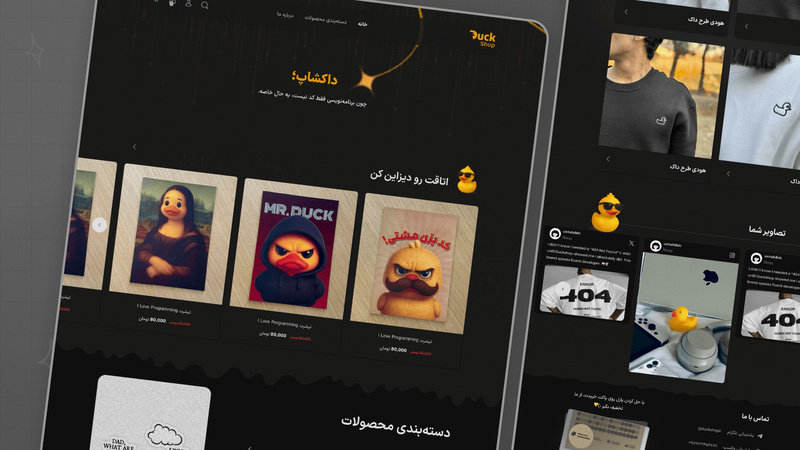
The beginning of “DuckShop”
In recent years, the tech community has become more than just a group of professionals, it has turned into a culture with its own language, symbols, and sense of belonging.
From the memes that only developers understand to the countless “rubber ducks” sitting on their desks, programmers express their identity through small, meaningful details that reflect their world of code.
DuckShop was born out of this idea: to create a space where developers could find products that represent who they are.What started as a small side project among friends turned into a mission: building an online store designed specifically for developers, by someone who understands their culture.
When I first joined the project, I focused mainly on the visuals; the interface, the colors, the layout. But as my understanding of product design grew, I wanted to revisit DuckShop from a different angle: to explore **why** developers feel connected to such products, and **how** design can capture that sense of identity and community.
This case study walks through that journey; from understanding the culture of programmers to redesigning a store that reflects their personality, humor, and belonging in the digital world.
Understanding the Programmers Behind the Code
Before diving into the redesign, I needed to understand one thing:
what makes programmers feel seen?
DuckShop wasn’t just another merch shop; it had to represent a culture.
To do that, I first had to step into the world of developers, listen to their voices, and understand the humor, pride, and frustrations that define their daily lives.
Exploring Developer Communities
I began by exploring the spaces where developers actually live online: GitHub, Stack Overflow, Reddit, X (formerly Twitter), etc.
These communities gave me a front-row seat to how programmers talk, joke, and even vent about their work.
What I discovered was that programming is far from a solitary activity; it’s deeply social.
Code isn’t written just for machines; it’s written for other humans to read, debug, and build upon.
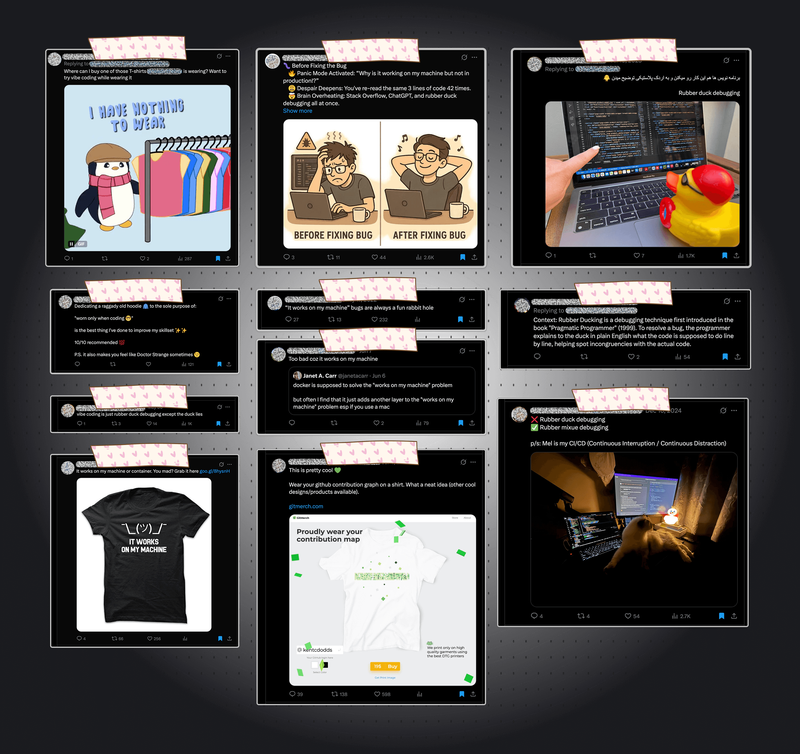
To understand their motivations and behaviors on a deeper level, I conducted secondary research through academic papers, developer lifestyle blogs, and community discussions.
Here are the main patterns that shaped the foundation of DuckShop’s redesign:
- A sense of belonging: Developers see themselves as part of a global tribe. Platforms like Stack Overflow and GitHub prove how much they value collaboration and shared knowledge.
- Identity expression: From stickers and mugs to posters and desk setups, developers love showcasing who they are. It’s not decoration, it’s identity.
- Humor and shared struggles: Inside jokes like “It works on my machine” or “Debugging in production” act as cultural symbols that unite developers through common challenges.
- Personal space matters: With remote work becoming the norm, developers are turning their desks into personal sanctuaries that reflect both creativity and comfort.
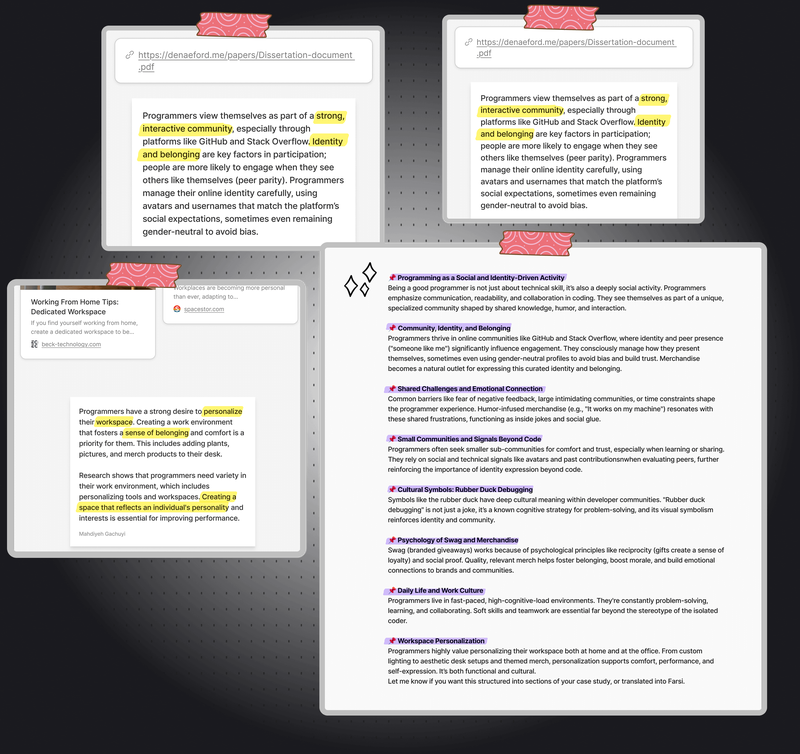
Through this research, I realized that DuckShop isn’t just about selling merch, it’s about helping developers express who they are and feel connected to a community that gets them.
Finding Our Place in the Market
While user insights helped me understand “who DuckShop was for”, competitor analysis clarified “where it should stand”.
I analyzed both international and Iranian competitors across two categories: developer-focused stores and print-on-demand marketplaces.
Brands like DevHero, Redbubble, and TeePublic set the global standard with storytelling-driven branding and wide product ranges.
Locally, TheGeev and Etsy sellers showed a rising interest in Persian tech humor and identity-based designs. yet most lacked cohesive UX or brand personality.
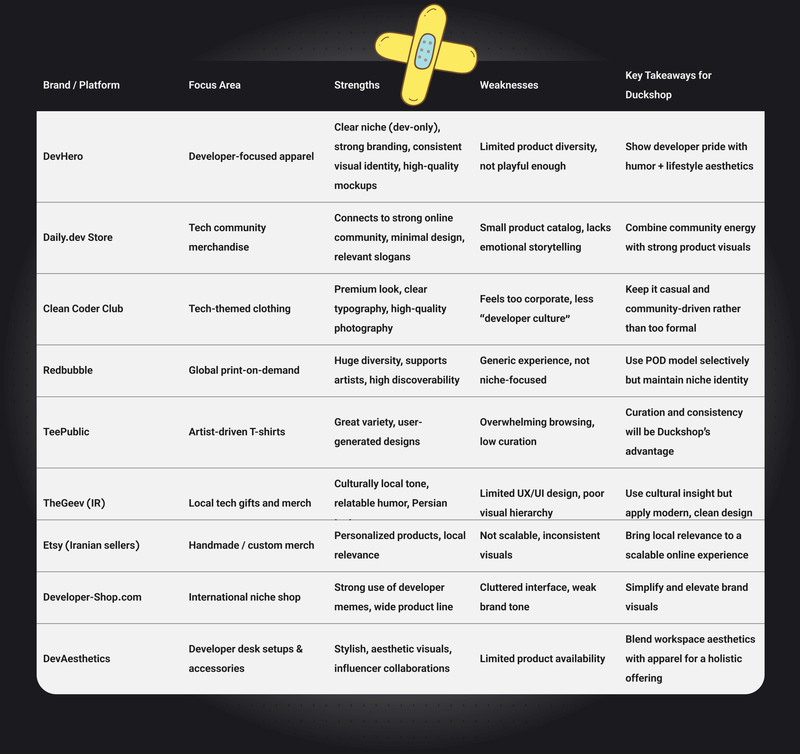
From this analysis, three key opportunities emerged for DuckShop:
- Identity Gap: No local brand truly captures developer culture in both humor and design quality.
- Visual Consistency: DuckShop can stand out with a clean, cohesive UI/UX experience.
- Community & Belonging: A chance to build not just a store, but a digital space where developers feel connected.
Understanding Our Users
While competitor research showed “where DuckShop fits in the market”, user research revealed “why it should exist in the first place”.
After analyzing community conversations and conducting interviews, I mapped developers’ emotions, motivations, and frustrations.
The goal was to understand not just “what developers buy”, but “why and how humor, identity, and workspace aesthetics shape their decisions”.
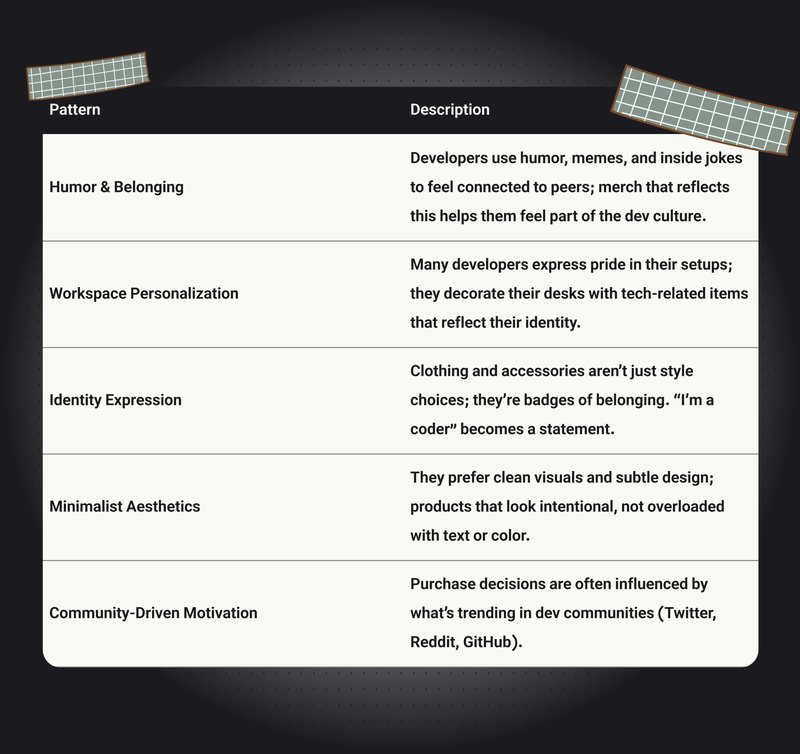
These behavioral patterns helped me cluster user types and create empathy maps that captured their emotional and behavioral nuances.
Empathy Maps
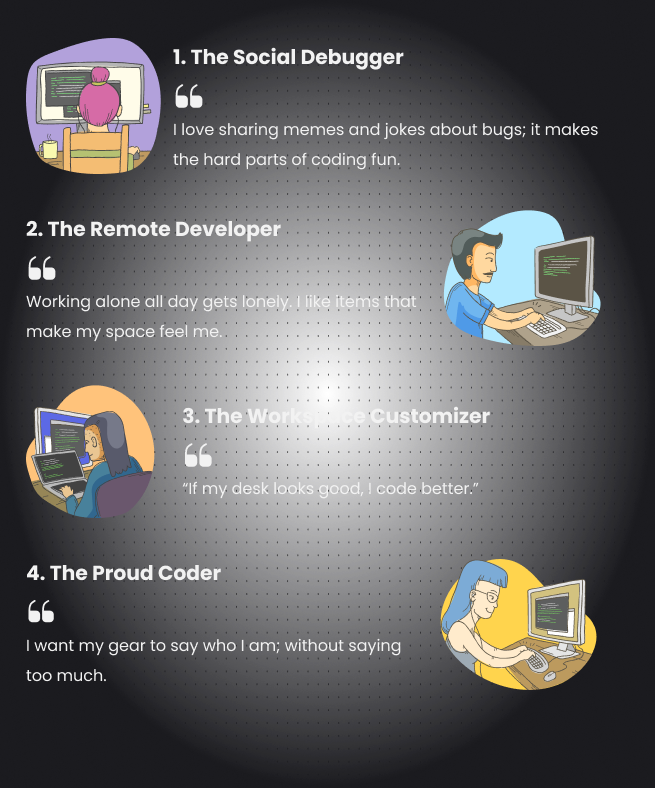
Instead of displaying all empathy maps, I selected four key profiles that represented distinct developer mindsets; from the social debugger to the workspace customizer.
Each reflected a unique way programmers express their identity, find connection, or seek motivation.
User Personas
I synthesized the empathy maps into multiple user personas, each representing a specific behavioral pattern; from seasoned developers to juniors still finding their place in the coding world.
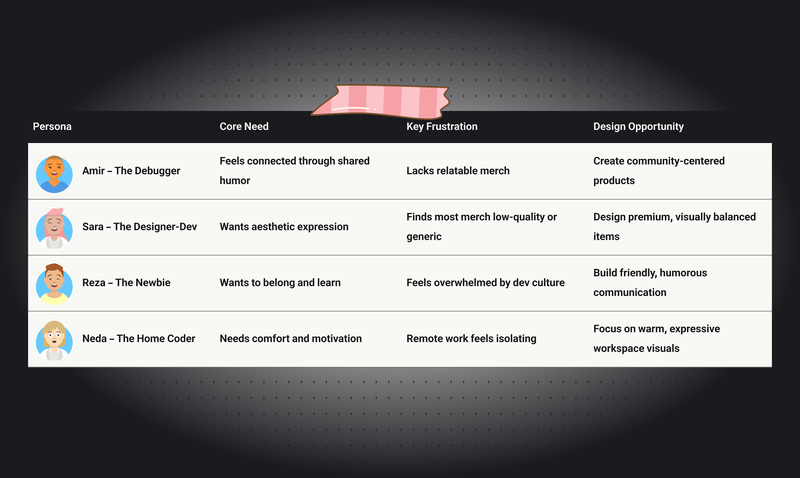
All these insights pointed to one thing:
Developers don’t just buy merch; they buy identity.
They want products that reflect who they are and remind them they belong to a larger community.
That led to DuckShop’s core challenge:
How might we design a store that feels like part of a developer’s culture; not just a place to shop?
This became the foundation for the ideation phase and every design decision that followed.
From Understanding to Designing
With a clearer understanding of developers’ mindset, it was time to turn empathy into design; to craft an interface that felt as smart, playful, and expressive as the people it was made for.
Through this phase, I explored different design directions, refined ideas, and aligned visual decisions with DuckShop’s tone: **bold, humorous, and proudly developer-centric.**
Key Design Iterations
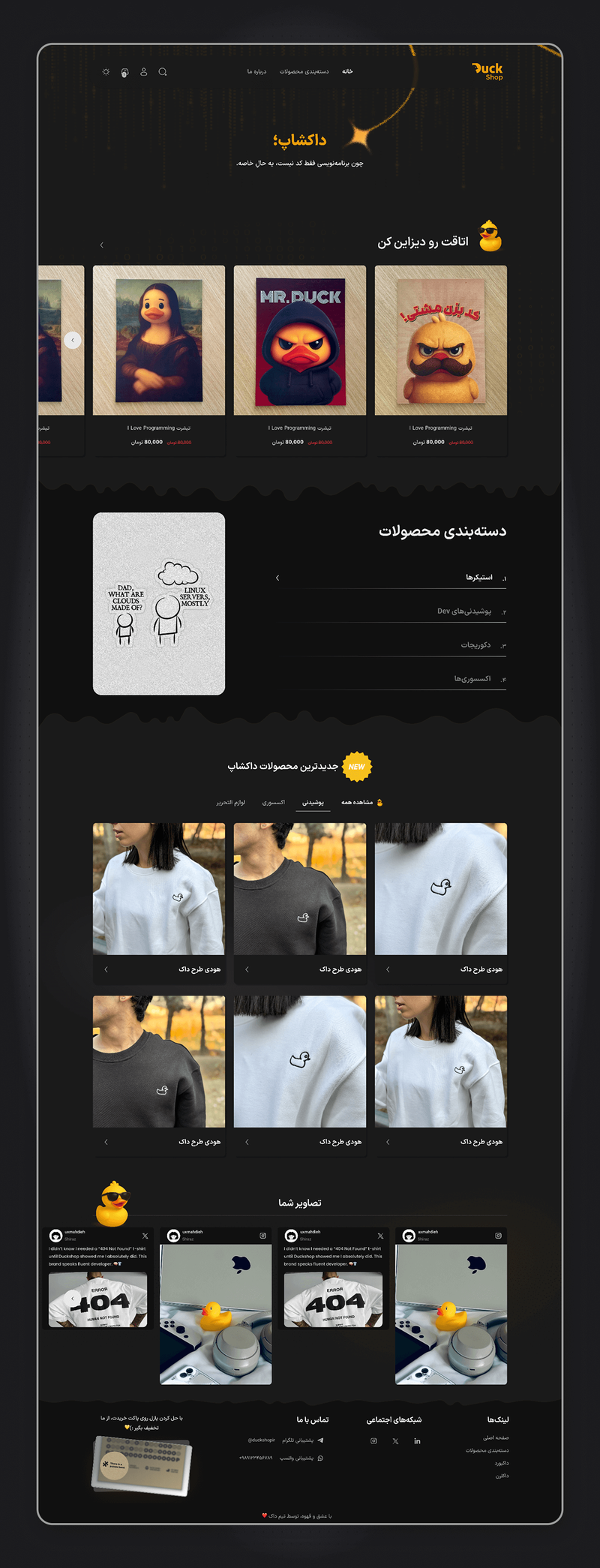
- Dark theme adoption:
The initial version had a light theme, but research showed developers connect more with dark interfaces; reflecting both their daily tools and visual comfort.
Switching to dark mode also made our yellow accent color pop and feel more energetic.
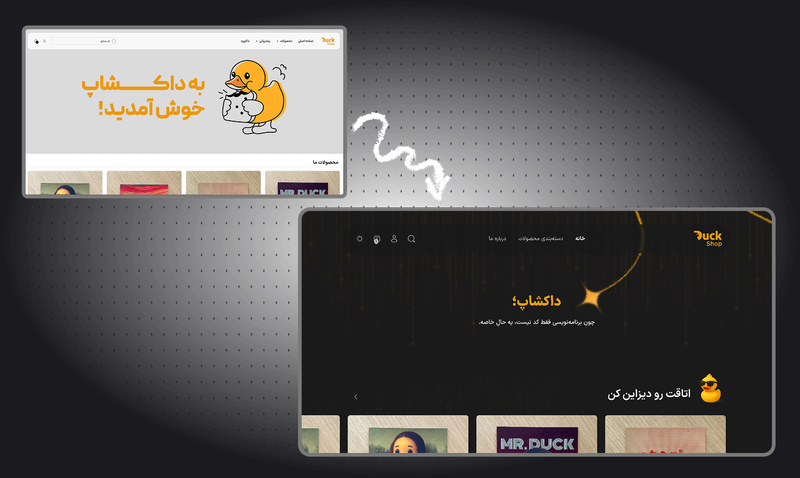
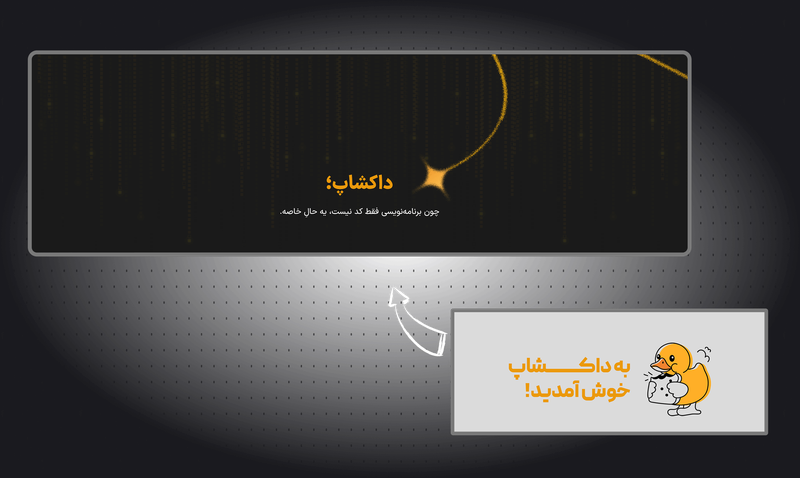
- Redesigned hero section:
The previous hero banner took too much space and didn’t visually represent what DuckShop was about.
I reduced its height to highlight the products and make the first screen instantly communicate our identity.
My first idea was to form an image of a product entirely from 0s and 1s — a literal “coded image”. But after testing, it felt visually overloaded.
Instead, I used a pixel pattern background, symbolizing code subtly without clutter.
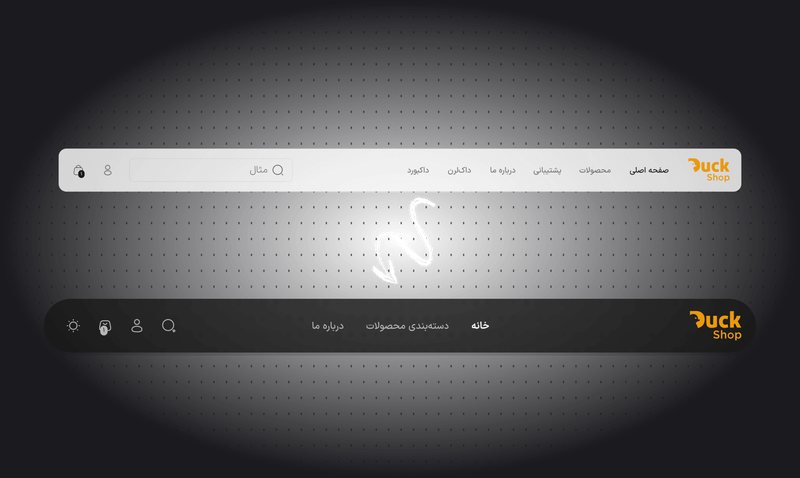
- Header consistency:
The header was redesigned to match our other brand, CS50x, borrowing one of its key visual elements to create cross-brand coherence.
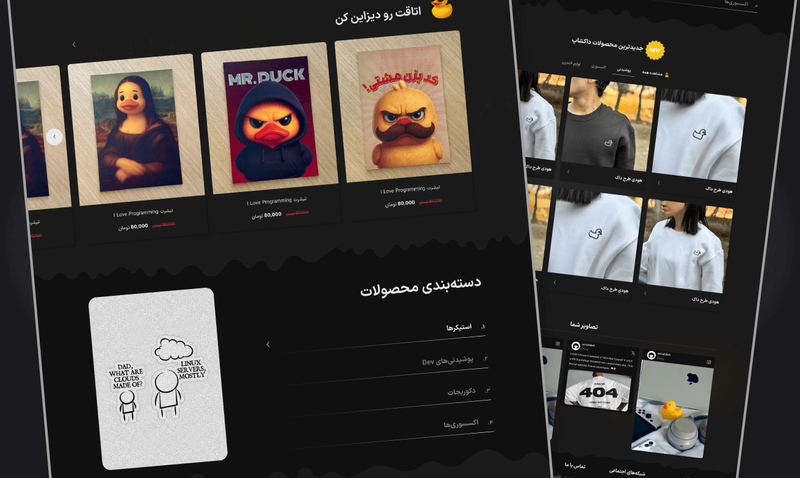
- Structured product collections:
In the old layout, all products appeared as a single feed with no categorization.
I added collections and product categories to help users browse intuitively and understand the range faster.
- Community-driven section:
Since most of our audience — developers — are active on Instagram and Twitter (X), I added a section at the end of the landing page to feature user-generated photos and posts where customers tag us.
This helps showcase real experiences and strengthens the sense of community.
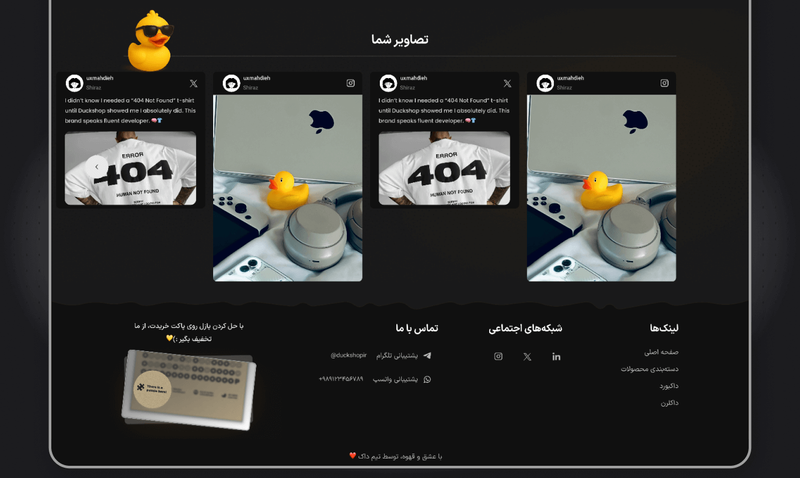
Final landing Page look
The Impact: Designing for Identity and Belonging
Redesigning DuckShop reminded me that design isn’t just about how things look; it’s about how people see themselves through what we create.
For developers, a sticker or a hoodie isn’t just merch. It’s a way to say “this is who I am”.
By understanding their humor, habits, and shared struggles, I realized that even a simple store can become a space for belonging.
DuckShop became more than a website; it became a reflection of a community that values creativity, curiosity, and connection.